Creating a vibrant, inspiring classroom doesn’t have to break your budget. As a teacher for several years, I’ve learned that the best classroom environments are not about expensive store-bought décor—they’re about creativity, resourcefulness, and purpose. Students thrive in spaces that feel welcoming and engaging, and with a little planning, you can design such a space for very little cost.
Whether you’re setting up your first classroom or looking to refresh your current one, the ideas below will help you decorate in ways that foster learning and curiosity—without overspending.
Why Classroom Décor Matters for Learning
Classroom decoration is more than just “making it pretty.” Research from the Clever Classrooms study by the University of Salford shows that well-designed learning environments can improve student academic progress by up to 16% in a single year.
The right décor can:
Support subject learning (visual aids, vocabulary walls).
Build a positive classroom culture.
Reduce anxiety and improve focus.
Encourage independent thinking.
The good news? You can achieve these benefits on a shoestring budget.

1. Start with a Clear Vision and Theme
Before buying or making anything, decide on a theme that aligns with your teaching style and students’ needs. A theme doesn’t mean you have to buy matching sets—it’s simply a unifying idea that ties your décor together.
Low-cost theme ideas:
Nature & Growth: Plants (real or paper), growth charts, and natural colors.
World Explorers: Maps, student travel dreams, and cultural artifacts.
STEM Wonders: Science posters, math patterns, and innovation quotes.
Book Nook Heaven: Literary quotes, favorite book covers, and cozy reading corners.
Tip: Search free image resources like Pixabay or Unsplash for high-resolution, royalty-free visuals you can print.
2. Repurpose and Recycle for Creative Impact
Many of the best classroom decorations are made from everyday materials.
Practical reuse ideas:
Bulletin Boards from Cardboard Boxes: Cover with fabric scraps instead of expensive paper rolls.
Jar or Tin Pencil Holders: Decorate with paint or scrapbook paper.
Old Calendars & Magazines: Cut out images for art walls or vocabulary displays.
Cloth Scraps as Borders: Sewn or stapled for a textured, reusable edge.
Pro tip: Ask your local community or parents for donations—they’re often happy to give materials they no longer need.
3. Use Student-Created Artwork as the Centerpiece
Student work isn’t just free decoration—it’s a learning tool and a morale booster.
Ideas for displaying student work:
Rotating Gallery: A bulletin board where students take turns displaying their best work.
Interactive Word Walls: Students add new vocabulary they’ve learned.
Seasonal Art Exhibits: Create themed projects for different times of year (autumn leaves, spring flowers, etc.).
Not only does this save you money, but it also creates a sense of ownership among students.
4. DIY Learning Tools as Decorations
Decor doesn’t have to be separate from educational materials—it can double as a teaching aid.
Examples:
Math Fact Posters: Create number lines, fraction visuals, or multiplication charts.
Anchor Charts: Display step-by-step guides for reading strategies or science experiments.
Classroom Jobs Board: Organize responsibilities with colorful cards.
Timeline Wall: For history classes, add new events as you progress through lessons.
By making décor part of the curriculum, you increase its value without increasing your budget.
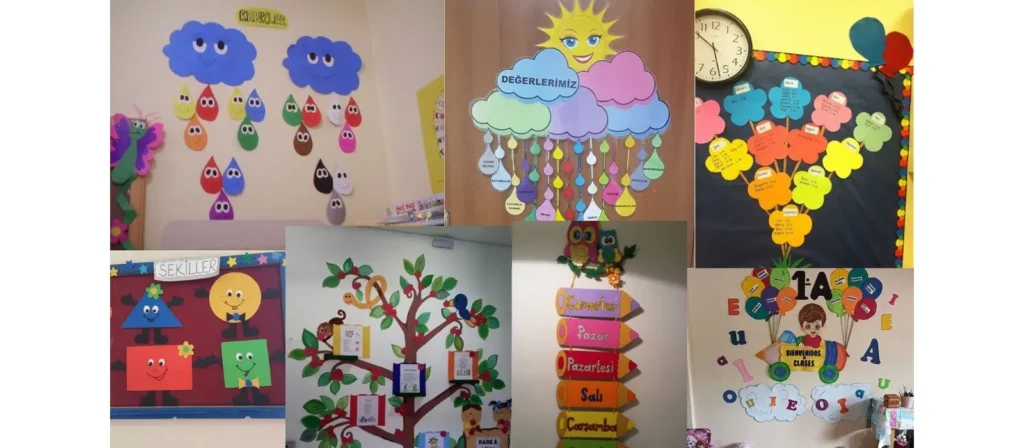
5. Play with Color Strategically
While bold colors can be energizing, too much can be overwhelming. Educational psychologist Dr. Sheryl Feinstein recommends a balance: neutral backgrounds with pops of bright colors in key learning areas.
Low-cost ways to add color:
Colored Paper Backdrops: Inexpensive construction paper or fabric remnants.
Washable Paint Projects: Students help paint murals or small decorations.
Colored Tape Designs: Create borders or shapes directly on walls or desks.
6. Go Digital with Displays
If your classroom has a projector or smartboard, you can rotate digital decorations at no cost.
Digital display ideas:
Morning inspiration slides with quotes or fun facts.
Rotating background images tied to your lesson theme.
Student-created digital art galleries.
This approach saves wall space and can be updated instantly.
7. Plants and Nature-Inspired Décor
Research published in Frontiers in Psychology shows that adding greenery to classrooms can improve mood and reduce stress.
Budget-friendly greenery ideas:
Ask for plant donations from parents or local garden centers.
Use low-maintenance plants like succulents or pothos.
Create paper plants if real ones aren’t feasible.
Even a single plant can make a space feel more alive and inviting.
8. Utilize Free and Low-Cost Resources
There are countless free printable templates and ideas available online.
Trusted sources:
Teachers Pay Teachers (search for free resources).
Local library makerspaces for free printing and laminating.
9. Organize with Style
An organized classroom looks more decorated—without extra spending.
Tips:
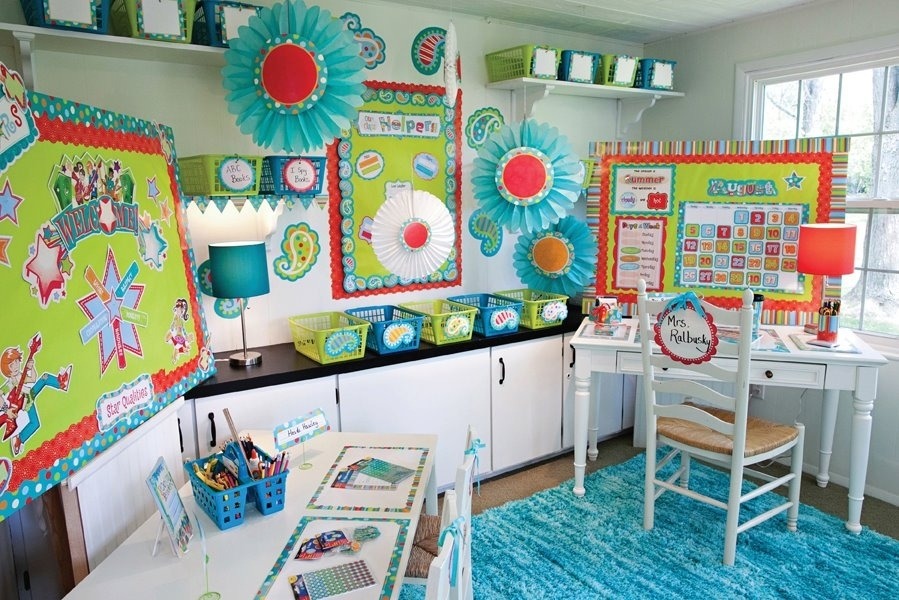
Use baskets from dollar stores for supplies.
Label everything clearly.
Arrange desks to maximize space and natural light.
Sometimes, the best decoration is simply removing clutter.
Final Tips for Low-Cost Decorating Success
Plan Before You Buy: Impulse purchases add up.
Think Multipurpose: Use décor that supports learning.
Involve Students: It’s their space, too.
Refresh Periodically: Swap items seasonally to keep the room fresh.
Conclusion: Your Classroom, Your Creativity
You don’t need a big budget to create a classroom that inspires learning—you need intentionality, resourcefulness, and a clear vision. By reusing materials, incorporating student work, and blending décor with learning tools, you can craft a space that students love coming to every day.
If you’ve tried any of these ideas or have your own cost-saving tips, share them in the comments. Let’s build a bank of creative solutions for teachers everywhere—because great classrooms don’t come from big budgets; they come from big hearts and clever thinking.
