Introduction: The Power of Play in Learning
When my niece was four, I noticed something fascinating. She would spend hours arranging building blocks, creating elaborate “cities” with roads, towers, and parks. What amazed me wasn’t just her creativity, but how her problem-solving skills, memory, and vocabulary expanded in just a few months. This wasn’t from worksheets or formal lessons—it was from play.
Many parents and educators underestimate the role of play-based learning in brain development. But decades of research confirm what children seem to know instinctively—play is not just fun; it’s a powerful tool for cognitive growth.
What Is Play-Based Learning?
Play-based learning is an educational approach where play is the primary method of exploring and understanding concepts. Rather than relying solely on direct instruction, it encourages children to engage in activities like pretend play, building, storytelling, and games to develop skills naturally.
Examples include:
Dramatic play (role-playing as shopkeepers, doctors, or chefs)
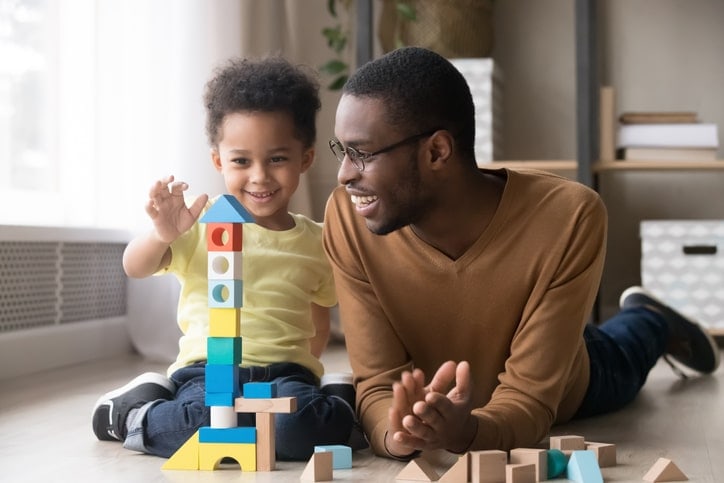
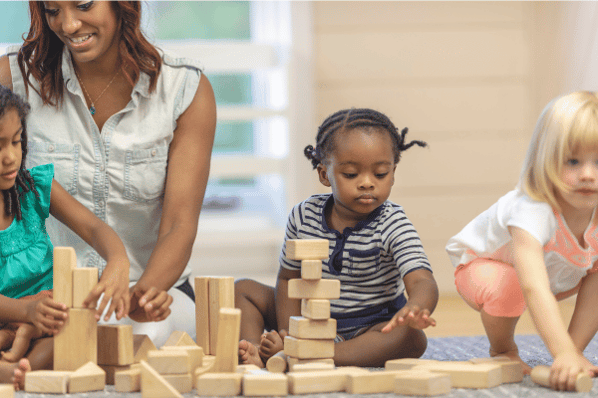
Constructive play (building with blocks, Legos, or natural materials)
Outdoor games (tag, treasure hunts, obstacle courses)
Art and sensory play (painting, clay modeling, sand and water play)
Unlike passive learning, these activities demand active thinking, social interaction, and decision-making, all of which stimulate brain growth.

How Play Shapes Brain Development
Research in neuroscience shows that play affects brain structure and function in measurable ways. Here’s how:
1. Strengthens Neural Connections
The brain develops through a process called synaptogenesis, where neurons form connections. Play experiences—especially ones that involve varied movements, problem-solving, and social interaction—create and strengthen these neural pathways.
According to the Harvard University Center on the Developing Child, repeated, meaningful experiences during play help “wire” the brain for future learning.
2. Improves Executive Function
Executive function is the brain’s control system—it manages focus, memory, self-control, and flexible thinking. Play-based tasks often require children to plan, adapt rules, remember steps, and manage emotions.
For example, when kids create a pretend store, they must:
Decide who plays which role
Keep track of transactions
Resolve disputes over rules
These challenges strengthen the prefrontal cortex, the brain area responsible for executive function.
3. Boosts Language and Communication Skills
Through storytelling, role-play, and group games, children expand their vocabulary, learn grammar naturally, and improve listening skills. The American Academy of Pediatrics highlights that children engaged in imaginative play use richer language and more complex sentences than those in structured, rote tasks.
4. Encourages Emotional Regulation
Play often involves negotiating rules, taking turns, and coping with winning or losing. These experiences help children learn emotional self-control and empathy—skills linked to long-term mental well-being.
The Science: Why Play Works
From a biological perspective, play activates multiple brain regions at once:
Hippocampus: Enhances memory formation
Prefrontal Cortex: Strengthens decision-making and focus
Cerebellum: Improves coordination and fine motor skills
This whole-brain engagement is why play can accelerate learning better than repetitive drills alone.
Neuroscientist Dr. Sergio Pellis, from the University of Lethbridge, notes that “the experience of play changes the connections of neurons at the front end of your brain.” This literally reshapes the brain for complex thinking.
Practical Ways to Integrate Play-Based Learning
Parents and educators can incorporate play-based learning without expensive tools. Here are some practical tips:
1. Create Play-Rich Environments
Keep a variety of open-ended materials: blocks, costumes, and art supplies.
Set up “learning stations” for role-play, building, and creativity.
2. Follow the Child’s Lead
Let children choose activities within a supportive framework. This fosters intrinsic motivation and deeper engagement.
3. Combine Play with Real-Life Skills
Turn chores into games, such as
Sorting laundry by color (early math skills)
Grocery role-play while shopping (language and budgeting)
4. Encourage Outdoor Exploration
Nature play boosts physical health and sensory integration while also reducing stress and improving mood.
Addressing Common Misconceptions
“Play is just a break from learning.”
False. Play is learning. Skills like collaboration, negotiation, creativity, and problem-solving are hard to teach through lectures but emerge naturally during play.
“Structured lessons are more effective.”
Not necessarily. While structured lessons have their place, especially for specific academic skills, research shows that unstructured, imaginative play develops broader cognitive abilities critical for lifelong learning.
Credible Sources Supporting Play-Based Learning
If you’d like to explore further, here are reputable organizations and studies that provide evidence on the benefits of play:
Harvard University Center on the Developing Child – developingchild.harvard.edu
American Academy of Pediatrics – Policy Statement on the Importance of Play
LEGO Foundation—Research reports on learning through play
Journal of Child Development—Multiple peer-reviewed studies on play and cognitive development
Conclusion: Play Is Serious Business
Play is not a distraction from learning—it’s one of the brain’s most effective tools for building essential skills. By integrating play-based learning into daily routines, we give children the best chance to grow into capable, creative, and resilient thinkers.
When I think back to my niece and her block cities, I realize she wasn’t “just playing.” She was practicing engineering, storytelling, math, and negotiation—all before kindergarten. That’s the power of play.
What about you? Have you seen play spark learning in your children or students? Share your experiences in the comments—your story might inspire someone to bring a little more play into their learning.
